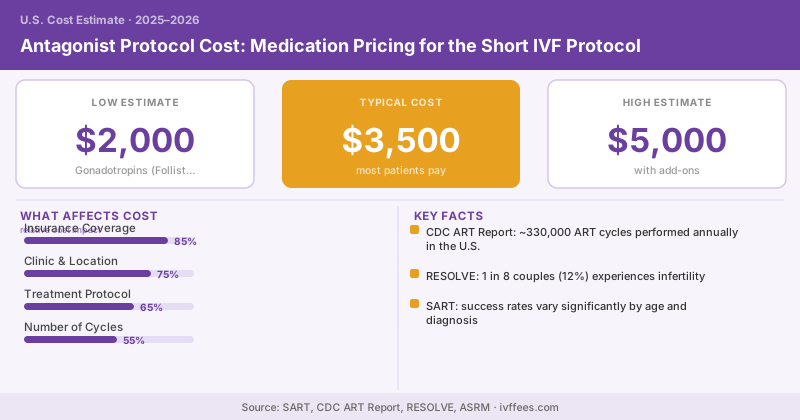
The antagonist protocol is the most commonly used IVF stimulation approach in the US today, and there’s a money reason behind that popularity: it usually needs fewer days of medication than the older long protocol. Fewer days often means a smaller pharmacy bill. If your clinic put you on an antagonist cycle, here’s what the drugs typically cost and why.
What Goes Into an Antagonist Protocol
An antagonist cycle is short. You start gonadotropins on cycle day 2 or 3, then add a GnRH antagonist (Ganirelix or Cetrotide) partway through to prevent premature ovulation, and finish with a trigger shot. No long suppression phase up front.
| Medication | Role | Low End | Typical | High End |
|---|---|---|---|---|
| Gonadotropins (Follistim/Gonal-F/Menopur) | Stimulation, 8–12 days | $2,000 | $3,500 | $5,000 |
| Antagonist (Ganirelix/Cetrotide) | Prevents early ovulation | $300 | $600 | $1,200 |
| Trigger (Ovidrel or hCG) | Final maturation | $90 | $160 | $250 |
| Antagonist protocol total | Per cycle | $3,000 | $4,500 | $6,000 |
The single biggest cost is always the gonadotropins. The antagonist injections — typically given for 4 to 6 days — are an add-on, not the main expense.
Why It Often Costs Less Than a Long Protocol
The long agonist protocol starts with weeks of Lupron suppression before stimulation even begins. Those extra suppression days mean more medication overall. The antagonist protocol skips that, so you’re paying for fewer total injection days. For many patients it’s the cheaper path — though your dose, not just your protocol, drives the final number.
A 2024 ASRM patient survey underscored how much medications dominate IVF spending; for many patients drugs are a major chunk of the cycle, and protocol choice directly affects that line. If your RE offers a choice, ask how the antagonist option compares cost-wise to the long Lupron protocol.
The antagonist protocol usually costs less in medications than a long Lupron cycle because it skips weeks of upfront suppression. Your gonadotropin dose still drives most of the bill, so price-shop those drugs first — they’re 70%+ of the total.
What Drives Your Specific Cost
Two patients on the same protocol can have very different bills. The variables: your daily gonadotropin dose (poor responders need more), how many stimulation days you run, whether you use Menopur alongside your FSH, and which antagonist your clinic prefers. Ganirelix and Cetrotide are roughly comparable, so use the cheaper one if your pharmacy has both.
Don’t skip or delay your antagonist doses to save money. The whole point of the antagonist is preventing premature ovulation — miss a dose and you can lose the cycle, wasting thousands in gonadotropins. This is one drug where compliance protects your investment.
Trimming the Bill
Most savings come from the gonadotropins, since they’re the bulk of the cost. Compare specialty pharmacies, ask about returning unopened vials, and look at fertility drug assistance programs for the brand-name injectables. The trigger and antagonist are smaller targets, but a GoodRx check still helps.
For the full menu of stimulation drugs and where they fit, our fertility medications cost guide breaks it down, and how to reduce IVF cost covers the broader strategies.
It’s also worth remembering that the antagonist protocol’s shorter timeline has a non-medication upside: fewer monitoring appointments and fewer days of injections, which can mean less time off work and fewer trips to the clinic. Those soft savings don’t show up on the pharmacy invoice, but they’re real. For patients juggling jobs and travel, the short protocol can be easier on the wallet in ways the drug list alone doesn’t capture. Ask your clinic how many monitoring visits each protocol typically requires before you assume the cheaper-on-paper option is cheaper overall.
Frequently Asked Questions
Is the antagonist protocol cheaper than the long protocol? Usually, yes. It skips the weeks of upfront Lupron suppression, so you pay for fewer total medication days. But your gonadotropin dose still drives most of the cost, so it’s not guaranteed for every patient.
How much do the antagonist injections themselves cost? Ganirelix or Cetrotide typically runs $300–$1,200 for the few days you need them. That’s a fraction of the gonadotropin cost, which is the real driver.
Which is better, Ganirelix or Cetrotide? They’re clinically comparable for preventing premature ovulation. If your pharmacy stocks both, the cheaper one that cycle is a reasonable choice — confirm the swap with your clinic first.