A $12 prescription is all that stands between some women and ovulation. That’s the reality with generic clomiphene — one of the oldest, cheapest tools in fertility medicine. But “cheap” doesn’t always mean “best,” and letrozole has quietly overtaken Clomid as the first-line choice for many patients with PCOS.
Here’s what each drug costs, when your doctor will choose one over the other, and what the research actually says about results.
What These Drugs Actually Do
Both Clomid (clomiphene citrate) and letrozole (Femara) trigger ovulation — but through different mechanisms. Clomiphene blocks estrogen receptors in the brain, tricking your body into producing more FSH and LH. Letrozole temporarily suppresses estrogen production through a different pathway, causing a surge in follicle-stimulating hormone.
The outcome looks similar. The side-effect profiles are not.
Price Breakdown
| Medication | Low End | Typical | High End |
|---|---|---|---|
| Generic clomiphene (5-day course) | $10 | $25 | $50 |
| Brand Clomid (5-day course) | $50 | $90 | $150 |
| Generic letrozole (5-day course) | $15 | $35 | $60 |
| Brand Femara (5-day course) | $150 | $300 | $500 |
| Monitoring ultrasounds (1–2 per cycle) | $150 | $300 | $600 |
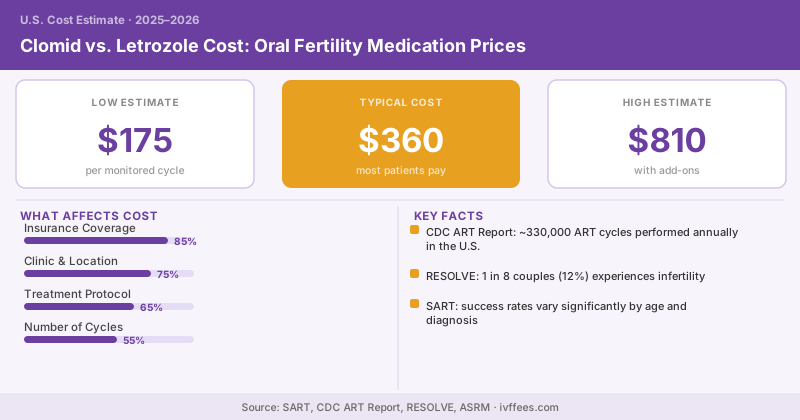
| Total per monitored cycle | $175 | $360 | $810 |
Generic clomiphene is genuinely inexpensive — GoodRx prices at most pharmacies run $10–$25 for a standard 5-day, 50mg or 100mg course. Generic letrozole is only slightly more, typically $15–$40. The brand versions cost 5–10x more and offer no clinical advantage.
Most patients never need the brand name. Ask your pharmacy specifically for the generic.
When Clomiphene Is Prescribed
Clomiphene has been in use since 1967. It’s FDA-approved for ovulation induction in anovulatory women, and it’s still widely used for:
- Unexplained infertility with regular cycles
- Mild ovulatory dysfunction
- IUI cycles where cost matters
- Thin-lining women (actually not great here — keep reading)
The standard starting dose is 50mg daily for 5 days, beginning cycle day 3 or 5. Your doctor may increase to 100mg or 150mg if you don’t respond. Above 150mg, the pregnancy rates don’t improve and the side effects get worse.
One significant limitation: clomiphene has anti-estrogenic effects on the uterine lining and cervical mucus, which can paradoxically reduce your chances of implantation even when it successfully triggers ovulation. That’s one reason letrozole has gained ground.
When Letrozole Is Preferred
Letrozole is FDA-approved as a breast cancer treatment. It’s prescribed off-label for fertility — meaning the FDA hasn’t specifically approved it for that use, but the evidence supporting it is substantial and the ASRM endorses the practice.
A landmark 2014 NEJM trial of 750 women with PCOS found letrozole produced higher cumulative live birth rates than clomiphene (27.5% vs. 19.1% per cycle). That study shifted clinical practice significantly. ASRM guidelines now recommend letrozole as the preferred first-line agent for ovulation induction in women with PCOS.
Letrozole’s advantages over clomiphene:
- Better uterine lining thickness (no anti-estrogenic effect on endometrium)
- Lower multiple-pregnancy risk
- Preferred in PCOS patients
- Better cervical mucus quality
The off-label status can cause insurance friction. Some plans cover it for fertility; others don’t because it’s not FDA-approved for that indication. Worth a call to your insurer before the pharmacy visit.
Success Rates: What the Numbers Say
For women with PCOS or unexplained infertility, per-cycle pregnancy rates with monitoring typically run:
- Clomiphene + timed intercourse: 8–12% per cycle
- Letrozole + timed intercourse: 12–18% per cycle
- Clomiphene + IUI: 10–15% per cycle
- Letrozole + IUI: 14–22% per cycle
These are per-cycle numbers. Cumulative rates over 3–6 cycles are higher. Neither drug is a guarantee, and both become less effective the more cycles you attempt — response rates tend to decline after the third or fourth cycle.
Side Effects That Affect Your Decision
Clomiphene’s side effects include hot flashes (in about 10% of users), mood changes, visual disturbances, and bloating. The mood effects are real and can be significant — if you’ve heard women describe “Clomid rage,” it’s not an exaggeration.
Letrozole generally causes fewer side effects. Fatigue and mild joint pain occur, but the hormonal swings associated with clomiphene are less common. For women who’ve had a rough time on Clomid, the switch is often welcome.
The Insurance Question
Clomiphene and letrozole are often the only fertility drugs covered by insurance plans that include any fertility benefits at all. If your plan covers prescription drugs, there’s a reasonable chance at least generic clomiphene is on formulary.
- Always ask for generics: clomiphene citrate and letrozole (not Clomid or Femara)
- Use GoodRx, Cost Plus Drugs, or RxSaver for cash prices
- Some fertility-specific pharmacy networks (Mandell’s, Village Fertility) offer additional discounts
- If your insurer denies letrozole as off-label, your doctor can submit a prior authorization with the ASRM guidelines as support
Bottom Line
Generic letrozole at $15–$35 per cycle is now the first-line choice for PCOS-related ovulation issues, backed by strong comparative data. Generic clomiphene at $10–$25 remains a reasonable option for women with unexplained infertility or those whose insurance covers it specifically.
For either drug, the monitoring — not the medication — is where the cycle cost adds up. One or two ultrasounds per cycle runs $150–$600 depending on your clinic. Build that into your budget from the start.
Do not use leftover Clomid or letrozole from a friend or previous cycle without consulting your doctor. Dosing, timing, and monitoring requirements are individualized. Taking these drugs without follicle monitoring can increase your risk of multiple pregnancy.