Sometimes the body attacks its own sperm. After a vasectomy reversal, an infection, or a testicular injury, the immune system can start producing antibodies that latch onto sperm — clumping them together and stopping them from reaching an egg. That’s anti-sperm antibodies, and it’s an underappreciated cause of male infertility.
Male factor contributes to about 40–50% of infertility cases per the American Urological Association, and while anti-sperm antibodies are a less common cause, they’re a fixable one once identified. Here’s what testing and treatment cost.
Testing and Treatment Costs
| Item | Low | Typical | High |
|---|---|---|---|
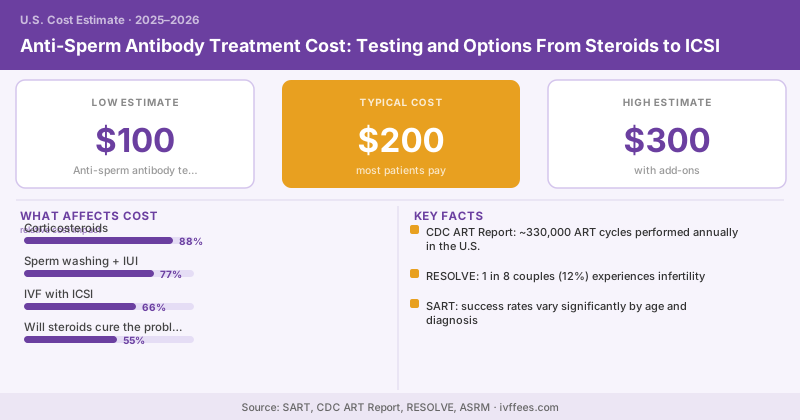
| Anti-sperm antibody test (MAR or IBT) | $100 | $200 | $300 |
| Corticosteroid trial | $20 | $80 | $200 |
| Sperm washing for IUI | $200 | $500 | $1,500 |
| IUI cycle | $300 | $1,000 | $4,000 |
| IVF with ICSI | $15,000 | $20,000 | $30,000 |
Anti-sperm antibody testing costs $100–$300, and treatment ranges from a cheap steroid trial up to $20,000+ IVF with ICSI. ICSI is the most reliable fix because the sperm is injected directly into the egg, bypassing the antibodies entirely. Cheaper options like sperm washing and IUI work for milder cases.
What Causes Anti-Sperm Antibodies
Normally a blood-testis barrier keeps the immune system from ever “seeing” sperm. When that barrier breaks down, the body treats sperm as foreign. Common triggers include:
- Vasectomy and vasectomy reversal (a leading cause)
- Testicular trauma or surgery
- Genital tract infections
- Testicular torsion
The antibodies coat the sperm, causing them to clump and impairing their ability to swim and penetrate an egg. You might suspect them when a semen analysis shows sperm “agglutination” (clumping) despite a normal count.
How It’s Treated
Corticosteroids. A short course of steroids can suppress antibody production. It’s cheap, but the benefit is modest and inconsistent, and steroids carry side effects — so this is used cautiously and less often than it once was.
Sperm washing + IUI. Washing the sperm removes some surface antibodies and seminal fluid, then IUI places the cleaned-up sperm directly in the uterus. A reasonable, lower-cost option for mild cases.
IVF with ICSI. The definitive answer for significant antibody levels. Because the embryologist injects a single sperm straight into the egg with ICSI, the antibodies become irrelevant — they can’t block fertilization that’s done by needle. This is why ICSI has high success rates for antibody-related infertility.
Routine anti-sperm antibody testing has fallen out of favor at many clinics because the treatment options are limited and ICSI works so well regardless. If you’ve had a vasectomy reversal or testicular surgery and have unexplained motility problems or sperm clumping, ask specifically whether the test is warranted — it isn’t always ordered automatically.
The Cost Decision
The practical question is whether to spend on cheaper options first or go straight to IVF with ICSI. For low antibody levels with otherwise good sperm, a steroid trial or sperm washing plus IUI is worth trying at a fraction of IVF cost. For high antibody levels, many couples skip ahead to ICSI because it reliably overcomes the problem and avoids spending months on lower-success methods. A thorough male evaluation and a frank discussion of antibody levels guide which path makes financial sense.
Frequently Asked Questions
How do I know if I have anti-sperm antibodies? A semen analysis showing sperm clumping (agglutination) raises suspicion, and a specific test — the mixed antiglobulin reaction (MAR) or immunobead test (IBT) — confirms it. The test costs $100–$300 and detects the percentage of sperm coated with antibodies.
Will steroids cure the problem? Not reliably. Corticosteroids can reduce antibody levels in some men, but the effect is inconsistent and the side effects mean it’s used selectively. Many couples find IVF with ICSI a more dependable solution, especially with high antibody levels.
Does insurance cover this treatment? The antibody test and a steroid trial may be covered as part of a diagnostic workup. IUI and IVF coverage depends on your state mandate and employer plan. As always, verify benefits and get an itemized estimate before treatment.