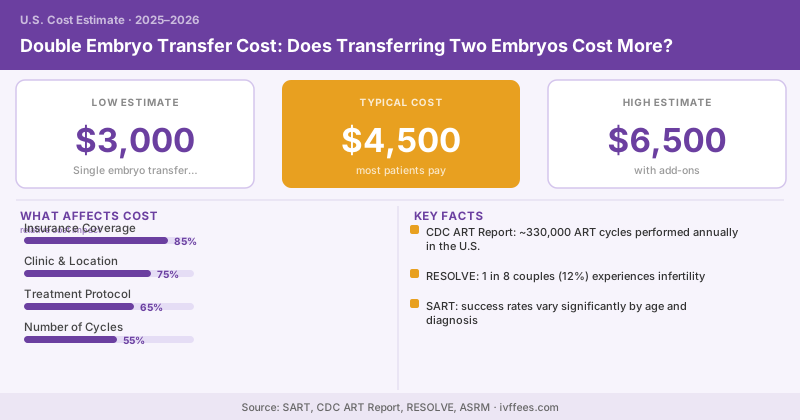
“If I transfer two embryos, doesn’t that double my chances?” It’s one of the most common questions in any IVF consult, and the honest answer involves a cost most patients never see coming. The transfer of two embryos doesn’t cost much more than one. But the pregnancy that can result might cost a fortune — and carry real health risks.
Here’s the full financial and medical picture of double embryo transfer.
What a Double Embryo Transfer Is
A double embryo transfer (DET) means placing two embryos into the uterus during a single transfer procedure, instead of one (elective single embryo transfer, or eSET). Some patients request it hoping to raise their odds of pregnancy in one cycle.
The procedure itself is identical whether you transfer one embryo or two — same catheter, same ultrasound guidance, same appointment.
The Procedure Cost Is Nearly Identical
| Transfer Type | Low | Typical | High |
|---|---|---|---|
| Single embryo transfer (procedure) | $3,000 | $4,500 | $6,500 |
| Double embryo transfer (procedure) | $3,000 | $4,500 | $6,500 |
| Extra embryo thaw fee (if frozen) | $0 | $300 | $700 |
| Twin pregnancy added costs (NICU, delivery, prenatal) | $20,000 | $60,000 | $150,000+ |
That last row is the one nobody puts on the transfer invoice. The transfer of a second embryo is cheap. The potential consequences are not.
A double embryo transfer costs roughly the same as a single transfer — $3,000–$6,500 — plus maybe a small extra thaw fee. The real cost is the high chance of twins, which can add tens of thousands in NICU, delivery, and prenatal expenses, along with higher health risks.
Why Doctors Push Single Embryo Transfer
The SART and ASRM have spent years promoting elective single embryo transfer for good-prognosis patients, and the data explains why. Twin pregnancies carry substantially higher risks of preterm birth, low birth weight, NICU admission, preeclampsia, and other complications for both mother and babies.
CDC ART surveillance data has documented a major decline in IVF multiple births over the past decade as single embryo transfer became standard — a public-health success story. With good-quality blastocysts and genetic testing, transferring one embryo can achieve pregnancy rates close to transferring two, but without the twin risk.
So the “double your chances” logic is outdated for many patients. With strong embryos, a single transfer is often nearly as effective and far safer.
When a Double Transfer Might Be Considered
There are cases where DET is discussed — for example, older patients, poorer embryo quality, or repeated failed single transfers. Even then, it’s a careful risk conversation, not a default. Your doctor weighs your age, embryo quality, and history.
For the broader topic of transferring more than one embryo, see our multiple embryo transfer guide.
The Smarter Financial Lens
If your goal is the lowest total cost of having one healthy baby, a twin pregnancy can blow past the savings of “one cycle instead of two.” A single failed transfer followed by a successful one is often cheaper — and far safer — than a twin pregnancy with NICU bills. That reframing is central to understanding why IVF costs what it does and how what’s included in IVF cost extends well beyond the lab.
Frequently Asked Questions
Does transferring two embryos cost more than one? Barely. The transfer procedure is the same price, $3,000–$6,500, and you might pay a small extra thaw fee for the second frozen embryo. The big hidden cost is a twin pregnancy, which can add tens of thousands in delivery, NICU, and prenatal care.
Does a double embryo transfer double my success rate? No. With good-quality blastocysts, a single embryo transfer achieves pregnancy rates close to a double transfer. Transferring two mainly raises the chance of twins, not the chance of having at least one baby — which is why SART and ASRM promote single transfer.
Why is a twin pregnancy more expensive? Twins are far more likely to be born preterm and need NICU care, and the mother faces higher risks of complications like preeclampsia. CDC data links multiple births to higher costs and risks, which is why doctors favor single embryo transfer for good-prognosis patients.
Don’t choose a double embryo transfer based on cost or “doubling your odds” alone. Twin pregnancies carry significant added health risks and can cost tens of thousands more. Discuss the medical risks with your doctor, not just the price.