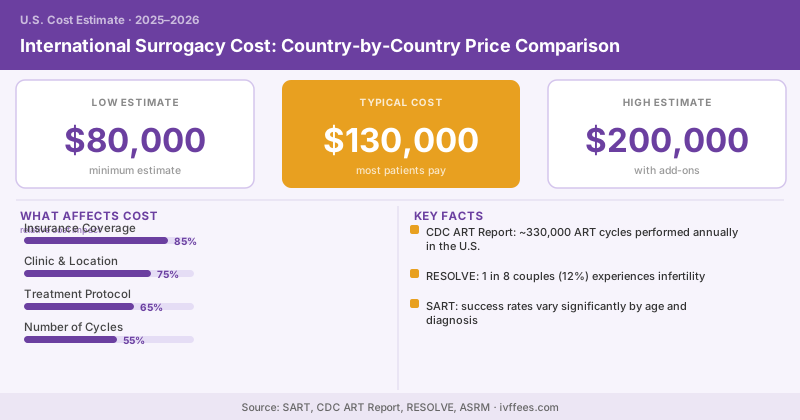
A surrogacy journey in the United States can top $200,000. The same journey in Colombia or Mexico might land closer to $60,000. That price gap is why thousands of intended parents look abroad each year — but the savings come wrapped in legal, ethical, and logistical complexity that domestic surrogacy doesn’t carry.
Let’s compare the destinations and the real costs, including the ones that don’t show up on a glossy agency brochure.
Why Intended Parents Go Abroad
Two reasons drive international surrogacy: cost and access. The U.S. is one of the most expensive countries on earth for surrogacy, largely because of high carrier compensation and legal fees. Meanwhile, some intended parents — single people, LGBTQ+ couples, or those in countries where surrogacy is banned — go abroad simply because they have no legal option at home.
The countries that openly serve international intended parents have shifted over the years as laws change. As of recent years, the more established destinations include Colombia, Mexico, Georgia (the country), and Greece, while others have closed to foreigners.
Country-by-Country Cost Comparison
| Destination | Typical Total Cost | Notes |
|---|---|---|
| United States | $130,000–$220,000 | Strongest legal protections |
| Greece | $70,000–$100,000 | Legal for heterosexual couples |
| Georgia (country) | $50,000–$80,000 | Married hetero couples only |
| Colombia | $55,000–$90,000 | Open to many family types |
| Mexico | $60,000–$100,000 | Varies sharply by state |
| Canada | $80,000–$120,000 | Altruistic only (no paid compensation) |
These are moving targets. Surrogacy laws abroad change frequently, and a country that’s open today can close to foreigners next year. Always confirm current legality with an attorney experienced in international reproductive law before committing a dollar.
The Hidden Costs of Going Abroad
The headline price is only part of the story. International surrogacy adds expenses that domestic journeys don’t:
- International travel for multiple trips: $5,000–$20,000+
- Extended stays for birth and exit paperwork: weeks to months
- Citizenship and passport processing for the baby
- Translation and apostille of legal documents
- Currency and payment-transfer risk
International surrogacy can save $50,000 to $100,000 versus the U.S., with totals from $50,000 to $150,000 depending on country. But the savings shrink once you add travel, extended stays, and citizenship paperwork — and the legal protections are weaker. Cheaper up front does not always mean cheaper after the complications.
The Legal Risk Is the Real Cost
This is the part that should give you pause. In the U.S., established surrogacy-friendly states give intended parents strong, predictable legal standing. Abroad, your parental rights, the baby’s citizenship, and your ability to bring the child home all depend on two countries’ laws agreeing with each other — and they often don’t.
The biggest international surrogacy risk isn’t money — it’s getting your baby home. There have been documented cases of newborns left in legal limbo for months because their birth country and the parents’ home country disagreed on citizenship. Before choosing a destination, consult both a U.S.-based reproductive attorney and an immigration attorney to confirm your child can obtain citizenship and a passport. Never rely solely on a foreign agency’s assurances.
Ethical Considerations
Carrier compensation and protections vary widely abroad. In some countries, surrogates earn a small fraction of what U.S. carriers receive, and oversight of their medical care and consent can be limited. RESOLVE and reproductive ethics groups urge intended parents to vet whether carriers are fairly compensated, fully informed, and well cared for. The cheapest program may be cheap because someone else is bearing the cost.
Comparing Domestic vs. International
Before booking a flight, run an honest side-by-side. Sometimes the U.S. premium buys peace of mind worth far more than the difference. Factor in surrogate compensation norms, domestic surrogacy legal fees, and whether surrogacy financing options make a domestic journey reachable. For some families, a U.S. gestational carrier arrangement is the safer total value.
Frequently Asked Questions
Is international surrogacy legal for U.S. citizens? Bringing a child born via international surrogacy back to the U.S. is generally possible, but it requires careful navigation of citizenship and immigration law. The legality in the destination country varies, and some nations have banned surrogacy for foreigners. Always confirm with both reproductive and immigration attorneys.
How much can I really save going abroad? Headline savings of $50,000 to $100,000 are common, but travel, extended stays, and paperwork can erode $15,000 to $40,000 of that. Calculate the all-in number, not just the program fee, before comparing to a domestic surrogacy cost.
What’s the biggest risk? Citizenship and parental-rights complications that prevent or delay bringing your baby home. This legal risk, not the money, is what causes the most heartbreak in international surrogacy, which is why dual legal counsel is essential.