Your PGT-A report comes back and one embryo isn’t labeled normal or abnormal — it’s labeled “mosaic.” A decade ago, most clinics would have discarded it. Today, many will transfer it. That shift changed not just the medicine but the cost conversation, because a mosaic transfer often comes with extra counseling and follow-up testing.
Here’s what a mosaic embryo is, what transferring one costs, and what the data says about outcomes.
What “Mosaic” Means
When PGT-A analyzes the cells from an embryo biopsy, it sometimes finds a mix: some cells with normal chromosomes and some with abnormalities. That’s a mosaic result. It sits between fully euploid (normal) and fully aneuploid (abnormal).
Mosaic embryos used to be considered unusable. But studies have shown that many mosaic embryos can self-correct and result in healthy births, which is why guidance evolved.
What It Costs
The transfer itself isn’t priced differently — it’s a frozen embryo transfer like any other. The added cost comes from the extra support around it.
| Mosaic Transfer Component | Low | Typical | High |
|---|---|---|---|
| Frozen embryo transfer (the transfer) | $3,000 | $4,500 | $6,500 |
| Genetic counseling session | $150 | $300 | $500 |
| Additional prenatal testing (NIPT, amnio) | $300 | $800 | $2,000 |
| Re-biopsy / repeat PGT-A (optional) | $1,500 | $3,000 | $5,000 |
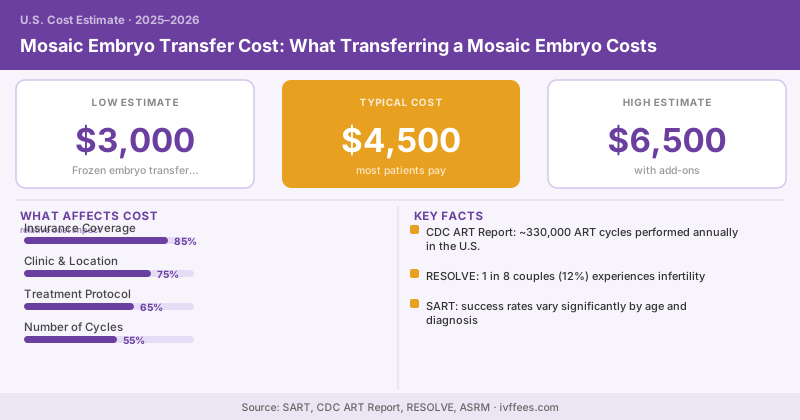
The transfer of a mosaic embryo costs the same as a standard frozen embryo transfer — $3,000–$6,500. The real added expense is genetic counseling and recommended prenatal testing, which can add $500–$2,000.
Why Counseling Is Part of the Bill
Transferring a mosaic embryo is a decision with real nuance. The level of mosaicism, which chromosomes are involved, and your personal history all matter. That’s why reputable clinics require genetic counseling before a mosaic transfer — it’s not an upsell, it’s standard of care.
Follow-up prenatal testing is also recommended. After a positive pregnancy, your doctor will likely suggest noninvasive prenatal testing (NIPT) and possibly amniocentesis to confirm the baby’s chromosomes. Those tests have their own costs.
What the Outcomes Data Shows
This is the encouraging part. A 2023 study published in The New England Journal of Medicine found that transfers of mosaic embryos produced healthy babies at rates that were lower but still clinically meaningful compared with euploid embryos. The ASRM and PGDIS (Preimplantation Genetic Diagnosis International Society) have issued guidance supporting the transfer of mosaic embryos when no euploid embryos are available, prioritizing lower-risk mosaics.
CDC ART surveillance data has consistently shown that older patients produce fewer euploid embryos overall, which is part of why mosaic transfers matter — for some patients, a mosaic embryo is their best available option, not a backup.
When a Mosaic Transfer Makes Sense
A mosaic transfer is most reasonable when:
- You have no euploid embryos available
- The mosaicism is low-level and involves lower-risk chromosomes
- You’ve had genetic counseling and understand the risks
- You’re prepared for recommended prenatal follow-up
It’s a more cautious choice when high-level mosaicism involves chromosomes associated with viable but affected pregnancies. Your genetic counselor will walk you through the specifics.
Fitting It Into Your Budget
A mosaic transfer doesn’t carry a premium transfer price, but the surrounding care does add up. If you’ve already invested in egg retrieval and PGT genetic testing, budgeting for counseling and prenatal testing helps you avoid surprises — and it’s a reminder of why IVF gets so expensive once you count every step.
Frequently Asked Questions
Is it safe to transfer a mosaic embryo? Research supports it in many cases. A 2023 NEJM study found mosaic embryos can produce healthy babies, though at somewhat lower rates than euploid embryos. The ASRM and PGDIS support transferring mosaic embryos when no euploid embryos are available, with genetic counseling and prenatal follow-up.
Does a mosaic transfer cost more than a normal transfer? The transfer procedure costs the same as any frozen embryo transfer. The extra expense comes from required genetic counseling ($150–$500) and recommended prenatal testing ($300–$2,000), not the transfer itself.
Will my baby be healthy if I transfer a mosaic embryo? Many mosaic embryos self-correct and result in healthy babies, but there’s added uncertainty compared with a euploid embryo. That’s why prenatal testing like NIPT or amniocentesis is recommended after a mosaic transfer to confirm the pregnancy.
Never transfer a mosaic embryo without genetic counseling. The risk profile depends heavily on which chromosomes are involved and the level of mosaicism — a generic recommendation isn’t enough.