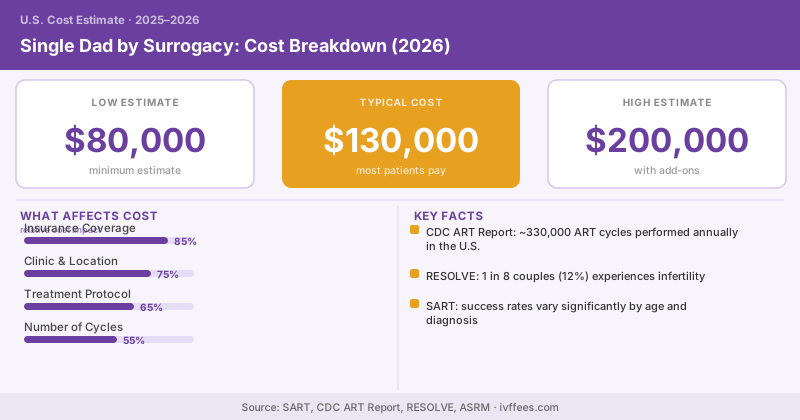
Plenty of men aren’t waiting for a partner to become a dad. If you’re a single man planning fatherhood through surrogacy, the financial reality is steep but knowable: a complete journey with an egg donor and gestational carrier typically runs $120,000 to $200,000. That’s the full price of the only biological route available to a man without a uterus or eggs of his own. Let’s walk through every piece so nothing blindsides you.
Family Equality’s surveys have repeatedly shown that LGBTQ+ and solo parents increasingly turn to assisted reproduction and surrogacy to build families. Single fathers by choice are a real and growing group, and clinics now routinely guide men through this exact process.
The Two People You’re Building With
As a single dad, you need both an egg donor and a gestational carrier. That’s two sets of fees, screening, and legal work layered on top of the IVF itself.
| Component | Typical Range |
|---|---|
| Egg donor (compensation + agency) | $20,000–$45,000 |
| IVF embryo creation | $18,000–$32,000 |
| Surrogate compensation | $45,000–$70,000 |
| Agency & case management | $20,000–$40,000 |
| Legal, escrow & insurance | $20,000–$45,000 |
The egg donor and surrogate together account for well over half the total. Our surrogacy cost guide breaks down the carrier side, and donor egg IVF cost covers selecting and paying a donor.
Why Going Solo Changes the Math
Cost-wise, a single dad’s journey is similar to a gay couple’s—you still need a donor and a carrier. The difference is emotional and logistical: you’re making every decision and signing every check alone. Some single men choose a full-service agency precisely because there’s no partner to share the coordination load. Others go independent to save money. Either way, the donor and surrogate fees don’t shrink just because you’re one person.
Plan for $150,000 as a working midpoint, and set aside a contingency of at least $25,000. The single biggest variables are which state your surrogate lives in (compensation and legal costs differ a lot) and whether your first embryo transfer succeeds. A failed transfer or a needed second IVF cycle is the most common reason budgets blow past the estimate.
Choosing a Donor and Carrier
Egg donors are typically matched through an agency or an in-house clinic program. You’ll review profiles, medical history, and sometimes meet via the agency. Frozen donor eggs can be cheaper and faster than a fresh cycle—our frozen donor egg vs fresh cost comparison is worth a read before you commit. The surrogate, meanwhile, goes through psychological and medical screening before any transfer.
As a single intended parent, your legal protections depend heavily on state law. Some states have clean single-parent surrogacy statutes; others are murky or hostile. Hire a reproductive attorney in the surrogate’s state before signing anything. Establishing sole legal parentage is non-negotiable, and skipping proper legal work can leave your parental rights vulnerable.
Paying for It
Almost no one writes a $150,000 check outright. Surrogacy-specific lenders, home equity, and medical financing are common. Some employers now include surrogacy reimbursement in fertility benefits—check yours. Our IVF financing options guide covers loans, grants, and payment structures that apply to surrogacy journeys.
Frequently Asked Questions
Is surrogacy more expensive for a single dad than for a couple? The total cost is roughly the same—you need an egg donor and a surrogate either way. The financial difference for a single dad is that you carry the entire bill yourself rather than splitting it with a partner, so budgeting and financing matter even more.
Can a single man legally do surrogacy in any state? No. Surrogacy laws vary by state, and a few restrict or ban compensated arrangements. Single intended parents face extra scrutiny in some jurisdictions, so most single dads match with surrogates in clearly surrogacy-friendly states like California, Colorado, or Nevada.
How long does the whole process take? Expect 18 months to two years from starting the search to bringing your baby home. Matching with a donor and a surrogate, completing screening, doing the IVF cycle, the pregnancy, and finalizing legal parentage all take time. Building a longer timeline into your plan reduces pressure to rush costly decisions.