In 2015, a vial of donor sperm from a major bank cost roughly half of what it runs in California today. Demand climbed, screening requirements tightened, and the price followed.
If you’re building a family with donor sperm in California — whether through IUI or IVF — here’s what actually shows up on your bill once shipping and clinic fees are added to the vial price.
What Donor Sperm Actually Costs in California
| Cost Component | Low End | Typical | High End |
|---|---|---|---|
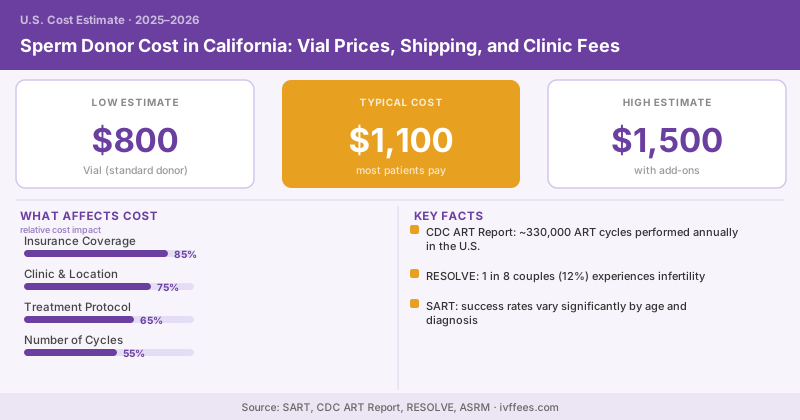
| Vial (standard donor) | $800 | $1,100 | $1,500 |
| Vial (ID-release donor) | $1,000 | $1,400 | $1,900 |
| Cryo-shipping & tank rental | $200 | $350 | $500 |
| Clinic handling/thaw-prep fee | $150 | $275 | $400 |
| Total per vial delivered & prepped | $1,150 | $1,725 | $2,400 |
Most patients purchase two to four vials at once, both to have a backup on hand for a failed cycle and to reserve vials from the same donor for future sibling attempts — a real consideration, since a given donor’s inventory can sell out entirely within a few years.
Why California Runs Higher Than Some States
California doesn’t have its own state-specific sperm bank tax or fee structure driving the cost up directly — the higher price reflects overall demand in a large, diverse state with a high concentration of single parents by choice and LGBTQ+ family-building, both major users of donor sperm. Major banks like California Cryobank, headquartered in the state, serve a national client base, and demand for their catalog has grown faster than supply of new donors willing to undergo the screening and long-term commitment required.
ID-Release Donors Cost More — Here’s Why
An “ID release” or “open” donor agrees to be identifiable to any resulting child once that child turns 18. This status has become significantly more popular as donor-conceived adults and advocacy groups have pushed for the right to access biological origin information, and banks now charge a premium for these donors because demand for them consistently outpaces the willing donor pool.
If you might want a genetic sibling for your child down the road, buy and reserve extra vials from the same donor at your first purchase. Donor inventory sells out, sometimes within a couple of years, and there’s no guarantee the same donor will have vials available later — even at a higher price.
Shipping Isn’t Optional Overhead — It’s Real Cold-Chain Logistics
Donor sperm ships in a specialized liquid nitrogen dry shipper that maintains cryogenic temperature for days in transit. That equipment, plus the courier service and often a rental deposit on the tank itself, is why shipping alone can run $200–$500 even for a short domestic trip. Your clinic then needs to receive, verify, and properly store the shipment before your cycle — the source of that separate handling fee.
Don’t buy vials from an unlicensed or unregistered “donor” outside the FDA-regulated bank system to save money. California clinics generally won’t perform IUI or IVF with sperm that hasn’t passed FDA-mandated infectious disease screening and a 6-month quarantine period, and using unscreened sperm carries real medical risk regardless of cost savings.
Trimming the Cost Without Cutting Corners
A few realistic ways to manage the bill: compare per-vial pricing across two or three major banks rather than defaulting to whichever one your clinic mentions first, ask whether buying multiple vials in one order reduces the per-vial shipping cost, and confirm your clinic’s handling fee upfront rather than discovering it on your invoice. Some clinics also offer a reduced fee if you have vials shipped directly to a local storage facility near the clinic instead of shipping straight to the clinic itself.
The Bottom Line
Expect to pay $1,150–$2,400 all-in per vial once shipping and clinic handling are included — meaningfully more than the bank’s advertised vial price alone. Budget for at least two vials if you’re planning a full IUI or IVF cycle with backup, and buy extra early if a genetic sibling is part of your future family plans, since inventory from any given donor won’t last forever.