Sometimes the most important fertility fix costs less than a dinner out. A daily levothyroxine pill — often under $15 a month — can correct a thyroid problem that’s quietly undermining ovulation, implantation, and early pregnancy. Thyroid disorders are one of the few fertility issues where the treatment is genuinely cheap and the impact can be large.
ACOG and ASRM both flag thyroid dysfunction as a treatable contributor to infertility and miscarriage. Thyroid disease is common in women of reproductive age, and the screening is part of a basic workup. Here’s what diagnosis and treatment actually cost.
How Thyroid Problems Affect Fertility
The thyroid regulates metabolism, and reproduction is exquisitely sensitive to it. An underactive thyroid (hypothyroidism) can disrupt ovulation, raise prolactin, shorten the luteal phase, and increase miscarriage risk. An overactive thyroid (hyperthyroidism) causes its own problems. Even “subclinical” hypothyroidism — mildly elevated TSH with normal symptoms — is debated as a contributor, especially for women trying to conceive.
The encouraging part: most of this is correctable with inexpensive medication and monitoring.
| Cost Component | Low | Typical | High |
|---|---|---|---|
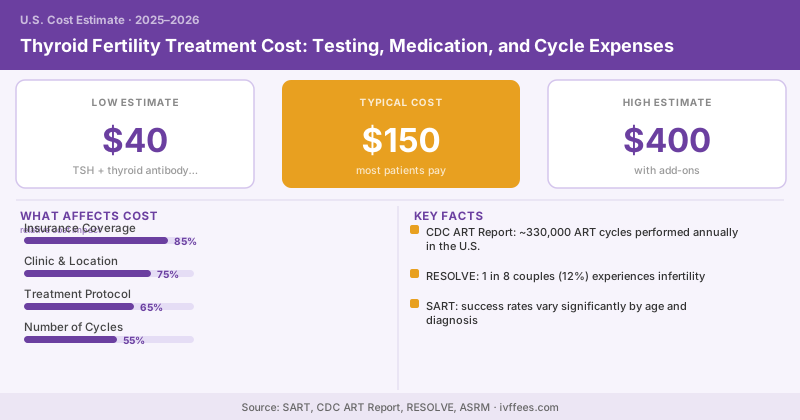
| TSH + thyroid antibody panel | $40 | $150 | $400 |
| Levothyroxine (per month) | $5 | $15 | $40 |
| Anti-thyroid medication (per month) | $10 | $30 | $80 |
| Endocrinologist consult | $150 | $300 | $600 |
| Repeat TSH monitoring (per test) | $20 | $80 | $200 |
| Annual total (typical hypothyroid) | $200 | $400 | $900 |
The Cheap Fix: Levothyroxine
For hypothyroidism, the treatment is thyroid hormone replacement — levothyroxine, a generic pill that’s one of the most prescribed and least expensive drugs in the country. The goal in women trying to conceive is to optimize TSH (many specialists target below 2.5 mIU/L before and during early pregnancy). It takes a few weeks to adjust the dose, then periodic TSH checks to keep it on target.
That’s it. A few hundred dollars a year, mostly for the medication and follow-up bloodwork. Compare that to a IVF cycle, and you can see why screening for thyroid issues is such a high-value, low-cost step.
Thyroid screening is one of the highest-value, lowest-cost steps in any fertility workup. A simple TSH test can reveal a problem that’s correctable with a $15-a-month pill — potentially saving you from chasing far more expensive treatments for “unexplained” infertility or recurrent miscarriage. Make sure thyroid function is checked and optimized before you spend on costly procedures.
Thyroid Antibodies: The Extra Layer
Beyond TSH, some women carry thyroid antibodies (such as anti-TPO) that signal autoimmune thyroid disease. These are associated with higher miscarriage risk even when TSH looks normal. Whether to treat antibody-positive women with normal TSH is an active research question; some REs add low-dose levothyroxine empirically. The antibody test adds a small cost to the panel but can guide monitoring during pregnancy.
This testing fits naturally into a broader fertility testing workup, where thyroid is checked alongside other hormones.
Thyroid needs change during pregnancy — requirements often rise in the first trimester. If you have hypothyroidism and conceive (naturally or via IVF), your dose may need to increase quickly, and TSH should be rechecked early. Don’t assume your pre-pregnancy dose is enough; undertreated thyroid in early pregnancy raises miscarriage and complication risk.
Where It Fits in Your Treatment Plan
Because thyroid is cheap to fix and important to optimize, it’s almost always addressed before more expensive interventions. Correcting an underactive thyroid can restore ovulation, sometimes making cheaper treatments like timed intercourse or IUI effective without escalating further. For women already in IVF, optimizing thyroid before a frozen embryo transfer protects the investment in those embryos by reducing miscarriage risk.
Insurance Coverage
This is one place insurance almost always helps. Thyroid testing and levothyroxine are standard medical care — not fertility treatment — so they’re covered by virtually all plans, including those that exclude infertility. The generic medication is cheap even without coverage. That makes thyroid treatment one of the few fertility-related expenses that rarely stresses a budget. If thyroid turns out to be only part of your picture, you can still review IVF financing options for any further treatment.
Frequently Asked Questions
What TSH level is ideal for trying to conceive? Many specialists aim for a TSH below 2.5 mIU/L before and during early pregnancy, though targets vary by guideline and individual. The point is to optimize — not just stay within the broad “normal” lab range — when fertility is the goal.
Can treating my thyroid alone help me get pregnant? Sometimes, yes. If an untreated thyroid problem was disrupting ovulation or causing miscarriage, correcting it can restore fertility without further treatment. That’s why it’s screened and optimized early, before costlier interventions.
Is the medication safe during pregnancy? Yes. Levothyroxine is standard and safe in pregnancy — in fact, adequate thyroid hormone is important for fetal development. Doses are often adjusted upward in early pregnancy, with TSH monitored to keep levels on target.
Bottom Line
Thyroid fertility treatment is refreshingly affordable — often under $500 a year for testing and a generic daily pill, and almost always insurance-covered as standard medical care. Yet its impact on ovulation, implantation, and miscarriage can be significant. Make sure thyroid function (including antibodies) is checked and optimized early, ideally before spending on expensive procedures, because this is one fertility fix where a little money goes a long way.