A varicocele is essentially a varicose vein in the scrotum — an enlargement of the pampiniform plexus veins that drain blood from the testicles. It’s present in about 15% of all men and in approximately 40% of men evaluated for infertility. It’s the most commonly identified correctable cause of male infertility.
The question isn’t just whether to treat it — it’s whether treating it will actually help you conceive, and which treatment method makes sense for your situation.
Two Main Treatment Options
Microsurgical varicocelectomy is the surgical approach. A urologist or reproductive urologist makes a small incision (usually inguinal or subinguinal) and uses microsurgical techniques to identify and tie off the dilated veins while preserving the testicular artery, lymphatics, and vas deferens. It’s performed under general or spinal anesthesia in an outpatient surgical center.
Percutaneous embolization is the interventional radiology approach. A radiologist threads a catheter through the femoral or jugular vein to the internal spermatic vein, then blocks it with coils or sclerosing agents. No incision, no general anesthesia — usually performed under local anesthesia and sedation.
| Treatment | Low | Typical | High |
|---|---|---|---|
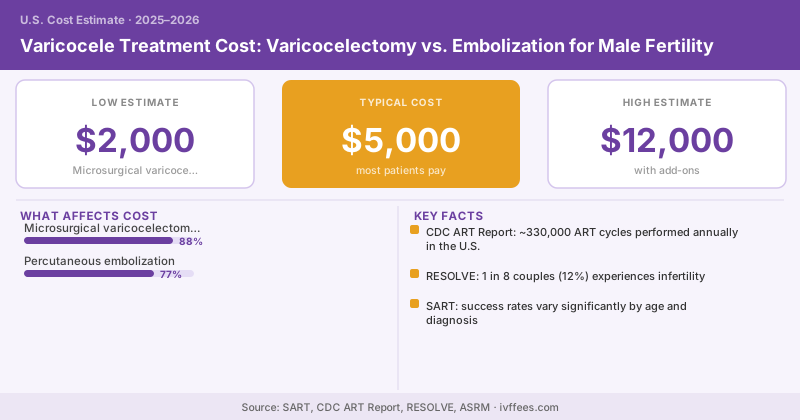
| Microsurgical varicocelectomy | $2,000 | $5,000 | $12,000 |
| Laparoscopic varicocelectomy | $3,000 | $6,000 | $12,000 |
| Percutaneous embolization (IR) | $2,500 | $4,500 | $9,000 |
| Anesthesia (for surgery) | $500 | $1,200 | $2,500 |
Which Approach Has Better Outcomes?
This is genuinely debated. A 2012 Cochrane review found limited high-quality evidence supporting varicocele repair for improving fertility outcomes. But more recent studies have changed the picture somewhat.
A 2021 meta-analysis in Fertility and Sterility found that microsurgical varicocelectomy was associated with significant improvements in sperm parameters — count, motility, and morphology — with natural pregnancy rates improving in couples with clinical varicocele and abnormal semen parameters.
ASRM’s 2021 guideline update concluded that varicocele repair is a reasonable option for infertile men with clinical (palpable) varicocele and abnormal semen analysis, particularly when the female partner’s fertility evaluation is normal or mildly abnormal.
Microsurgical varicocelectomy vs. embolization:
- Microsurgical has slightly lower recurrence rates (~1–5% vs. 10–15% for embolization)
- Embolization has faster recovery (1–2 days vs. 1–2 weeks) and is less invasive
- Both improve semen parameters in approximately 60–70% of cases
- Pregnancy rates improve in approximately 30–50% of cases within one year of repair
When Varicocele Repair Makes Sense vs. Going Straight to IVF
This is the central debate in male infertility management. Varicocele repair takes time — semen parameters improve over 3–6 months post-procedure, and you’d typically wait 6–12 months for natural conception before concluding the repair hasn’t worked. That’s 6–12 months you could have spent doing IVF.
For couples where:
- The female partner has a normal evaluation and there’s no age-related urgency
- The male has a clinical varicocele AND significantly abnormal semen parameters
- You want to attempt natural conception before IVF
…varicocele repair is a reasonable first step. The surgery costs $2,000 to $12,000 vs. an IVF cycle at $15,000 to $25,000 — and if it works, you’ve saved money and avoided IVF entirely.
For couples where:
- The female partner is over 37 or has diminished ovarian reserve
- There’s female-factor infertility requiring IVF regardless
- Prior IVF cycles have shown fertilization issues suggesting severe sperm DNA problems
…going directly to IVF with ICSI is often the better use of time and money.
A reproductive urologist specializes in male fertility and will evaluate not just whether you have a varicocele, but whether it’s clinically significant, whether your semen parameters are likely to improve with repair, and whether repair or IVF is the better path given your specific situation. General urologists sometimes recommend repair without this nuanced analysis.
Insurance Coverage
Varicocele repair is typically covered by standard health insurance (not the IVF benefit) when performed for a documented diagnosis of varicocele — particularly grade II or III (palpable on exam). The key is the ICD-10 diagnosis code: varicocele should be the primary diagnosis, not infertility.
Check your plan’s prior authorization requirements for outpatient surgical procedures. Most commercial plans cover varicocelectomy when medically indicated.
Sperm DNA Fragmentation After Repair
One of the less-discussed benefits of varicocele repair: sperm DNA fragmentation often improves significantly after treatment. If you have high DNA fragmentation (>25%) and a clinical varicocele, repair can reduce fragmentation levels and potentially improve embryo quality in subsequent IVF cycles — an important consideration that purely semen parameter improvements don’t capture.
Varicocele repair does not guarantee pregnancy. Even with technically successful repair and improved semen parameters, pregnancy rates vary based on female factors, age, and other variables. If you’re over 38 or have been trying for more than two years, don’t wait 12 months post-repair before reassessing the plan.
Bottom Line
Varicocele treatment costs $2,000 to $12,000 depending on the technique. Microsurgical varicocelectomy has better long-term recurrence rates; embolization is less invasive with faster recovery. Both improve semen parameters in the majority of patients. Whether to repair before IVF or go straight to IVF depends on the female partner’s fertility status, age, and how much time you’re willing to invest in a natural conception attempt.